
争议解决
环球游戏法评论|思想与表达二分法之外:韩国游戏诉讼的新阶段
- 发布日期
- 2026-05-12
争议解决

环球游戏法评论栏目卷首语
Preamble
游戏早已不是一个地方性的产业。一款国产手游在韩国上线、一个美国工作室在中国寻求合规落地——这些场景每天都在发生。然而,伴随着游戏产业的全球化,各地法律环境的差异也日益成为从业者绕不开的现实课题。
“环球游戏法评论”栏目由此而来。这个栏目的初衷,是为国内游戏法律从业者持续引介来自不同海外地区的一手观察与实务洞察。我们希望这里呈现的不是海量的信息汇编,而是真正身处当地法律实践中的实务人士,对其所在市场最新动态的直接解读。
本期环球游戏法评论,我们邀请了韩国和友律师事务所(Yoon & Yang LLC)合伙人林铁根律师(Chulgun Lim)就近期引起广泛关注的111 Percent诉New Normal Soft案展开,谈谈韩国游戏诉讼的历史和近年的发展。
林律师的主要执业领域涵盖专利、著作权、商标、商业秘密等知识产权相关争议与许可事务,以及人工智能、自动驾驶、生物健康等新兴产业与前沿技术领域法律问题的处理。
林律师拥有首尔大学法学院法学学士和美国西北大学法学硕士(LL.M.)学位。他同时持有韩国及美国纽约州律师执照,在为跨国企业及韩国国内创投公司处理各类跨境事务方面具有丰富的经验。
(以下译文供参考,英文版原文详见后文)
1
游戏规则仅属于“思想”范畴吗?
与许多司法管辖区一样,韩国著作权法仅保护构成人类思想或情感之“表达”的创作作品。尚未以具体形式加以表达的纯粹“思想”不受著作权保护,属于公共领域。基于这一思想与表达二分法,韩国法院历史上认为,“游戏规则”——其功能仅在于决定游戏进程的机制——属于思想的范畴,因此不受著作权法的保护。
在这一传统立场之下,即便某一开发者实质性地抄袭了他人游戏的核心规则或玩法机制,也往往可以通过改变角色形象、图标、视觉效果或其他表面设计元素等具体表达方式,来规避法律责任。这一法律环境催生了大量所谓的“换皮”纠纷——即多款竞争游戏共用相同的底层框架,仅在外在表达形式上加以修改的情况。
然而,近年来的韩国司法判例表明,韩国法院正开始突破这一僵化的理解。尤其是,韩国法院越来越关注游戏元素的整体选择、排列与组合,是否构成可受保护的表达,或至少构成法律上可保护的商业成果。
2
游戏元素的选择、排列与组合的著作权保护
该领域的里程碑判决是韩国最高法院于2019年6月27日就2017Da212095号案件作出的判决,该案涉及一款移动端三消游戏。在该案中,上诉法院认定相关游戏规则均属于思想范畴,因而不在著作权保护范围之内。然而,最高法院撤销了上诉法院的裁判,并阐明了一项更为精细的认定标准。
最高法院认为,在判断某一游戏是否构成受著作权保护的作品时,法院不仅须考察游戏各单一构成要素的独创性,还须考量在依据特定创作意图和设计方案进行技术实现的过程中,各要素经选择、排列与组合后,能否共同赋予游戏整体以有别于其他游戏的鲜明独创性。
该判决意义重大,因为它明确指出即便是以往被视为纯粹思想的游戏元素,依据具体情形,当其体现于具有充分独创性的整体结构之中时,亦可作为创意表达受到保护。换言之,该判决为游戏的“整体概念与感觉”(体现为游戏构成要素的具体选择、排列与组合)打开了著作权保护的大门。
尽管如此,通过游戏元素的选择、排列与组合来确立著作权保护资格,门槛仍然较高。例如,在NCSoft诉Webzen案中,原告主张Webzen的《R2M》游戏抄袭了NCSoft的《天堂M》,首尔中央地方法院与首尔高等法院均认定,《天堂M》各构成要素的选择、排列与组合所形成的具体表达形式,与此前游戏相比缺乏足够的独特性,不符合著作权保护的条件。该案目前正作为第2025Da212342号案件在最高法院审理中。
同样,在Nexon诉Ironmace案(涉及Dark and Darker)中,韩国法院亦未认定存在著作权侵权,其理由是:若两款游戏分属不同类型并涵盖不同游戏规则,此类类型差异必然影响游戏整体要素的有机组合。该案最终由最高法院以第2026Da200492号及第2026Da200493号案件作出终审裁定。
上述判决表明,尽管韩国著作权法在理论上已承认保护游戏元素整体组合的可能性,但法院在缺乏清晰独特且富有创意的表达结构的情况下,对于认定著作权侵权仍持审慎态度。
3
依据《韩国不正当竞争防止法》对商业成果的侵占
在此背景下,韩国游戏诉讼中的原告越来越多地援引《不正当竞争防止及商业秘密保护法》(以下简称“UCPA”)中关于“侵占他人成果”的规定。
2013年,韩国对UCPA进行修订,引入了一项兜底条款,禁止以违反公正商业惯例或竞争秩序的方式,未经授权将“他人经过大量投资或努力所取得的成果等”用于自身经营目的。该条款目前规定于UCPA第2条第1款第(m)项。
该条款的引入,旨在应对新型无形商业价值无法在著作权、专利、外观设计或商标等传统知识产权制度框架内,以及现有类型化不正当竞争行为中获得充分保护的情形。因此,它作为一项补充性请求权依据,旨在保护可能落入传统知识产权边界外,有价值的商业成果。
在游戏纠纷中,该条款已变得尤为重要。即便游戏规则、UI架构或玩法机制被认定不具备可获著作权保护的独创性,原告往往会在备位主张中主张,上述要素构成经由大量投资或努力所创造的可保护成果。这一主张如今已成为韩国游戏诉讼的常见组成部分。
最高法院第2017Da212095号案件中同样涉及这一主张。尽管一审法院承认存在侵占他人成果的行为,但最高法院最终认定存在著作权侵权,因此未就UCPA项下的请求另行作出裁判。近期,首尔高等法院在NCSoft诉Webzen案第2023Na2039688号判决中接受了原告关于侵占他人成果的备位主张。
4
111 Percent诉New Normal Soft案判决
首尔中央地方法院于2026年4月2日就111 Percent诉New Normal Soft案(第2024Gahap115708号)作出的判决,反映了这一持续发展的趋势。
原告111 Percent于2024年5月发布了一款“随机防御”(random defense)类型的游戏。该游戏融合了塔防玩法——玩家阻止敌人到达基地——以及一种机制:三个随机召唤的单位可合并进化为更高级别的单位,最终得到的角色由随机因素决定。该游戏还通过战略性资源管理来提升用户参与度,包括决定是否将有限资源“幸运石”用于概率提升或单位强化,以及通过特定组合获取神话级单位的机制。
New Normal Soft于2024年11月发布了一款类似的随机防御游戏。尽管该游戏的视觉特征(包括角色外观和名称)与111 Percent游戏有所不同,但两款游戏的整体结构和流程高度相似。具体而言,两款游戏均涉及两名随机配对的玩家合作抵御敌人,并共享相似的游戏规则、UI元素(如游戏内按钮和图标)、资源管理系统以及通过角色组合召唤更高级别单位的机制。
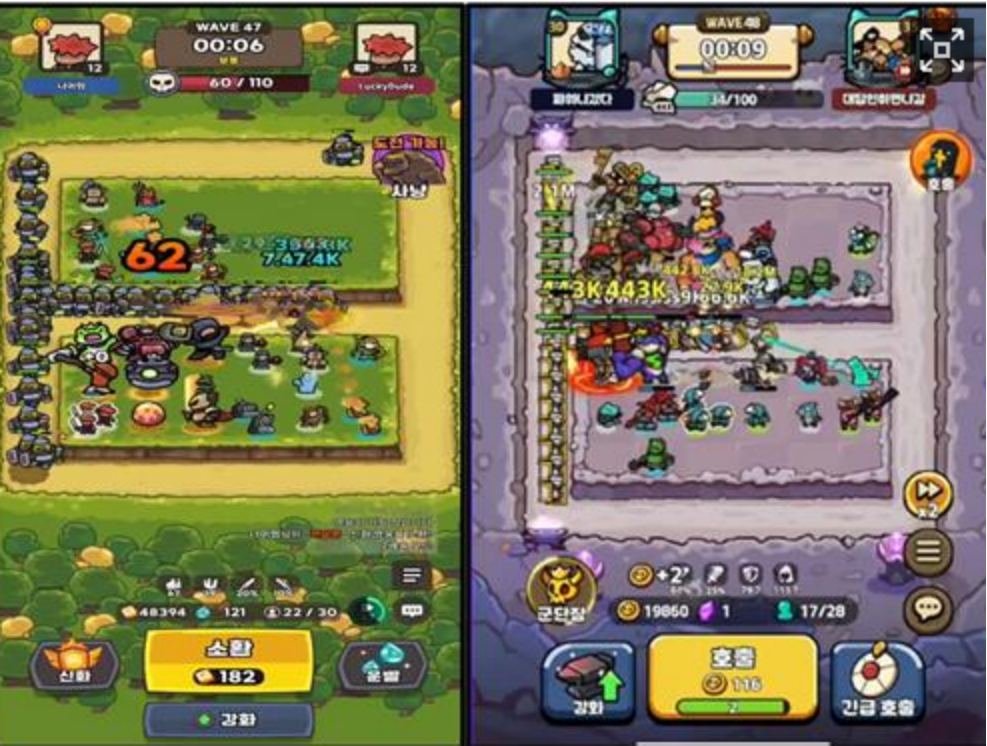
图1:两款游戏的UI比对
与此前的判例保持一致,一审法院驳回了著作权侵权主张。法院认定,相关游戏规则、UI及推进方式仅属于思想范畴,角色外观及其他表达要素亦不存在实质性相似。
然而,法院依据UCPA第2条第1款第(m)项认定被告承担责任。法院认为,111 Percent对各种游戏构成要素的组合与表达方式,超越了对单一要素的简单堆砌,构成了经由大量投资或努力所创造的具有经济价值的成果。法院进一步认定,New Normal Soft通过将上述要素纳入自身游戏的方式加以利用,构成以违反公正商业惯例及竞争秩序的方式擅自使用他人成果。基于此,法院判令New Normal Soft赔偿约5.57亿韩元,并附加迟延利息。
该判决值得关注,因为它确认:即便某些游戏要素——包括传统上被视为不可保护思想的规则与机制——不构成可受著作权保护的表达,上述要素的特定组合与实现方式,仍可作为商业成果依据UCPA获得保护。
5
对韩国游戏诉讼的影响
在过去,抄袭游戏的开发者往往可以通过修改角色、图标及视觉设计等外在表达要素,同时保留热门游戏的核心玩法机制,从而有效降低法律风险。然而,近年来的韩国司法判决表明,法律保护趋势正在转向对游戏创作者的权益更广泛的保护。
这一新兴趋势体现在两个层面。其一,游戏元素的选择、排列与组合,在特殊情形下,若其整体呈现出足够鲜明的独创性,可被认定为具有著作权保护资格的表达。其二,或许在实践中更为重要的是,即便著作权保护被否定,若相同的游戏元素组合体现了大量投资或努力并具有经济价值,仍可依据UCPA第2条第1款第(m)项,作为商业成果获得保护。
该领域的著作权保护范围依然相对有限。韩国法院在评估游戏整体结构是否具有充分的独创性和独特性以符合著作权保护标准时,仍持严格立场。相比之下,基于侵占他人成果的诉请在实践中似乎获得了更大的认可空间,尤其是在模仿程度较高、且被告的行为表明存在搭便车意图的情形下。
因此,抄袭游戏开发者所承担的法律风险已显著上升。以往难以通过著作权法加以规制的领域,现在可通过UCPA的侵占他人成果条款予以应对。在未来的韩国游戏诉讼中,UCPA第2条第1款第(m)项项下的诉请,尤其是在涉及底层玩法结构、UI配置及游戏推进系统被抄袭的纠纷中,很可能成为越来越重要且具有实际意义的救济手段。
对于游戏开发者而言,这一趋势具有重要的实践意义。相关企业应摒弃将竞争对手的游戏规则视为可供效仿的基准这一传统做法,转而从规划阶段起就着力构建并记录自身独特的创意贡献,包括建立能够证明原创玩法机制、UI架构、平衡系统、资源管理设计及玩家参与机制的内部研发记录。
与此同时,游戏公司应将自身游戏视为体现大量创意、技术与财务投入的一体化商业成果加以管理,而非仅将其看作各独立组成部分的简单集合。在当前的诉讼环境下,此类文件记录在维权打击模仿者方面,以及抗辩本公司游戏侵占他人成果的指控时,均可能发挥关键作用。
综上所述,韩国游戏诉讼正进入一个新阶段。法律关注的焦点已不再局限于不可保护的思想与可保护的表达之间的传统边界。韩国法院越来越愿意考量:游戏的整体结构与实现方式是否代表着经由大量投资和努力所创造的可保护成果。这一发展态势很可能对韩国游戏产业的诉讼策略、游戏开发实践以及知识产权风险管理产生深远影响。
附文章英文版供阅读
Beyond the Idea–Expression Divide: A New Phase in Korean Game Litigation
Are Game Rules Merely Ideas?
Like many jurisdictions, Korean copyright law protects only creative works that constitute an "expression" of human thoughts or emotions. Mere "ideas" that have not been expressed are excluded from copyright protection and remain in the public domain. Based on this idea–expression dichotomy, Korean courts had traditionally taken the position that "game rules" — which merely function as mechanisms determining how a game progresses — fall within the realm of ideas and therefore are not protectable under copyright law.
Under this traditional approach, even where a developer substantially appropriated the core rules or mechanics of another game, it could often avoid liability by altering the detailed modes of expression, such as characters, icons, visual effects, or other surface-level design elements. This legal environment gave rise to a growing number of so-called “copycat” disputes, in which competing games shared the same intangible framework while modifying only their outward expressive features.
Recent Korean case law, however, suggests that courts are beginning to move beyond this rigid understanding. In particular, Korean courts have increasingly focused on whether the overall selection, arrangement, and combination of game elements may amount to protectable expression or, at minimum, a legally protectable commercial achievement.
Copyright Protection for the Selection, Arrangement, and Combination of Game Elements
A landmark decision in this area is the Supreme Court of Korea’s judgment of June 27, 2019, Case No. 2017Da212095, concerning a mobile match-3 game. In that case, the appellate court had held that the relevant game rules were all within the realm of ideas and therefore outside the scope of copyright protection. The Supreme Court, however, reversed the appellate decision and articulated a more nuanced standard.
The Supreme Court held that, in determining whether a game constitutes a copyrightable work, courts must consider not only the creativity of each individual component of the game, but also whether those components, as selected, arranged, and combined in the course of technical implementation according to a particular creative intent and scenario, collectively give the game as a whole a distinctive creative character sufficient to distinguish it from other games.
This decision is significant because it made clear that even game elements previously dismissed as mere ideas may, depending on the circumstances, be protected as creative expression when embodied in a sufficiently original overall structure. In other words, the decision opened the door to copyright protection for the “total concept and feel” of a game, as reflected in the concrete selection, arrangement, and combination of its elements.
That said, the threshold for establishing copyrightability of the selection, arrangement, and combination of game elements remains high. For example, in litigation brought by NCSoft against Webzen, alleging that Webzen’s R2M game copied NCSoft’s Lineage M, both the Seoul Central District Court and the Seoul High Court found that the specific expressive form arising from the selection, arrangement, and combination of Lineage M’s constituent elements was insufficiently distinctive from prior games to merit copyright protection. That case is currently pending before the Supreme Court as Case No. 2025Da212342.
Similarly, in litigation brought by Nexon against Ironmace in relation to Dark and Darker, Korean courts declined to find copyright infringement, reasoning that where the games belong to different genres encompassing different game rules, such genre differences inevitably affect the organic combination of the games’ overall elements. The case was ultimately finalized by the Supreme Court under Case Nos. 2026Da200492 and 2026Da200493.
These decisions demonstrate that while Korean copyright law now recognizes the theoretical possibility of protecting the overall combination of game elements, courts remain cautious in finding copyright infringement absent a clearly distinctive and creative expressive structure.
Misappropriation of Achievements under the Korean Unfair Competition Prevention Act
Against this backdrop, plaintiffs in Korean game litigation have increasingly relied on the “misappropriation of achievements” provision under the Unfair Competition Prevention and Trade Secret Protection Act of Korea, commonly referred to as the UCPA.
In 2013, Korea amended the UCPA to introduce a catch-all provision prohibiting the unauthorized use, for one’s own business purposes, of “the achievements, etc. made by another person through substantial investment or effort” in a manner contrary to fair commercial practices or the competitive order. This provision is currently set forth in Article 2(1)(m) of the UCPA.
The provision was introduced to address situations where emerging forms of intangible commercial value could not be adequately protected under traditional intellectual property regimes, such as copyright, patent, design, or trademark law, or under the previously enumerated categories of unfair competition. It therefore operates as a supplementary cause of action designed to protect valuable commercial achievements that may fall outside the boundaries of conventional IP rights.
In game disputes, this provision has become particularly important. Even where game rules, UI structures, or gameplay mechanics are found to lack copyrightable creativity, plaintiffs often argue in the alternative that such elements constitute protectable achievements created through substantial investment or effort. This argument has now become a common feature of Korean game litigation.
The same argument was raised in the Supreme Court’s 2017Da212095 case. Although the first-instance court had recognized misappropriation of achievements, the Supreme Court ultimately found copyright infringement and therefore did not separately rule on the UCPA claim. More recently, in the Seoul High Court’s 2023Na2039688 decision in the NCSoft v. Webzen litigation, the plaintiff’s alternative claim for misappropriation of achievements was accepted.
The 111 Percent v. New Normal Soft Decision
A recent decision of the Seoul Central District Court, rendered on April 2, 2026, in 111 Percent v. New Normal Soft, Case No. 2024Gahap115708, reflects this continuing trend.
The plaintiff, 111 Percent, released a game in May 2024 in the “random defense” genre. The game combined a tower-defense format — in which players prevent enemies from reaching a base — with a mechanic whereby three randomly summoned units could be combined and evolved into higher-grade units, with the resulting character determined at random. The game also enhanced user engagement through strategic resource management, including decisions on whether to use a limited resource, “lucky stones,” for probability enhancement or unit enhancement, as well as mechanisms for obtaining mythical units through specific combinations.
New Normal Soft released a similar random defense game in November 2024. Although the visual features, including character appearances and names, differed from those of 111 Percent’s game, the overall structure and flow of the game were highly similar. In particular, both games involved two randomly matched players cooperating to defend against enemies, and they shared similar game rules, UI elements such as in-game buttons and icons, resource management systems, and character-combination mechanics for summoning higher-grade units.
Figure 1: UI comparison of the two games
Consistent with prior case law, the first-instance court rejected the copyright infringement claim. It held that the relevant game rules, UI, and progression methods were merely ideas, and that the characters’ appearances and other expressive elements were not substantially similar.
However, the court found liability under Article 2(1)(m) of the UCPA. The court reasoned that, beyond a mere aggregation of individual elements, the way in which 111 Percent combined and expressed various game components constituted an economically valuable achievement created through substantial investment or effort. It further held that New Normal Soft’s appropriation of those elements in launching its own game amounted to unauthorized use of another party’s achievement in a manner contrary to fair commercial practices and the competitive order. On that basis, the court ordered New Normal Soft to pay approximately KRW 557 million in damages, together with delay interest.
This decision is notable because it confirms that even where certain game elements — including rules and mechanics traditionally viewed as unprotectable ideas — do not amount to copyrightable expression, the particular manner in which those elements are combined and implemented may still be protected as a commercial achievement under the UCPA.
Implications for Korean Game Litigation
Historically, developers of copycat games could often mitigate legal risk by modifying outward expressive elements such as characters, icons, and visual designs while retaining the core game mechanics of a successful title. Recent Korean decisions, however, indicate a shift toward broader protection of the interests of game creators.
The emerging trend is twofold. First, the selection, arrangement, and combination of game elements may, in exceptional cases, be recognized as copyrightable expression if they collectively reveal a sufficiently distinctive creative character. Second, and perhaps more importantly in practice, even where copyright protection is denied, the same combination of game elements may be protected as a commercial achievement under Article 2(1)(m) of the UCPA if it reflects substantial investment or effort and has economic value.
Copyright-based protection in this area remains relatively narrow. Korean courts continue to apply a demanding standard when assessing whether the overall structure of a game is sufficiently creative and distinctive to qualify as copyrightable expression. By contrast, claims based on misappropriation of achievements appear to have gained greater practical traction, particularly where the degree of imitation is substantial and the defendant’s conduct suggests an intent to free ride on the plaintiff’s investment.
Accordingly, the legal risk for developers of copycat games has materially increased. Areas that were previously difficult to regulate under copyright law may now be addressed through the UCPA’s misappropriation-of-achievements provision. In future Korean game litigation, claims under Article 2(1)(m) are likely to serve as an increasingly important and practical remedy, especially in disputes involving the appropriation of intangible gameplay structures, UI configurations, and game progression systems.
For game developers, this trend has important practical implications. Companies should move away from the conventional practice of treating competitors’ game rules as mere benchmarks available for imitation. Instead, developers should build and document their own distinctive creative contributions from the planning stage, including internal records evidencing the development of original mechanics, UI structures, balance systems, resource-management designs, and player-engagement mechanisms.
At the same time, game companies should manage their games not merely as an aggregation of individual components, but as integrated commercial achievements reflecting substantial creative, technical, and financial investment. In the current litigation environment, such documentation may be critical both for enforcing rights against imitators and for defending against claims that a game unlawfully appropriated the achievements of another developer.
In sum, Korean game litigation is entering a new phase. The focus is no longer limited to the traditional boundary between unprotectable ideas and protectable expression. Korean courts are increasingly prepared to consider whether the overall structure and implementation of a game represent a protectable achievement created through substantial investment and effort. This development is likely to have a significant impact on litigation strategy, game development practices, and IP risk management in Korea’s gaming industry.
专业有深度,服务有温度